Why CNC Machining Matters for Precision Industrial Components
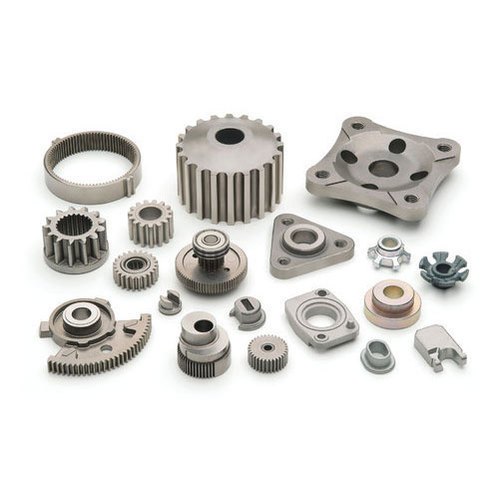
Industrial components often need more than a basic shape. Bores, threads, sealing faces, mounting features and mating dimensions must work consistently from one part to the next. CNC machining is widely used because programmed machine movement helps manufacturers produce these features with controlled dimensions and repeatable results.
Repeatability in Production
Once a machining program, tooling plan and workholding method are established, the same sequence can be repeated across a production batch. This helps reduce variation and supports consistent assembly, especially when components interact with valves, pumps, electrical assemblies, hydraulic equipment or general engineering systems.
Complex Features and Multiple Operations
CNC turning and milling can create features such as profiles, slots, holes, threads, faces and pockets. With suitable machines and process planning, multiple operations can be completed efficiently while maintaining relationships between critical dimensions.
Machining Cast and Forged Components
Many industrial parts begin as castings or forgings and are then machined only where functional precision is required. This combined approach can be efficient because the near-net shape is created first and machining is concentrated on interfaces, sealing areas and dimensions that matter most.
- Define machining datums clearly on the drawing.
- Identify critical-to-function dimensions and tolerances.
- Specify thread standards, fits and surface requirements.
- Clarify whether inspection reports or special documentation are required.
- Share realistic batch quantities so process planning matches production needs.
Quality Starts Before the Machine Runs
Reliable machining depends on more than the CNC machine itself. Material condition, fixture design, tool selection, cutting parameters and inspection planning all influence the finished component. Clear engineering communication at the quotation stage can prevent avoidable changes later.
Building an Efficient Manufacturing Route
The best manufacturing route considers raw material, casting or forging method, machining operations, inspection and any finishing required. Vertex Industries Inc offers machining and casting capabilities for industrial component requirements and can review drawings for a suitable production approach.
Need Precision Machined Components?
Share your drawing, material and quantity requirement with our team.
Discuss Your Requirement